
Call: 08045802702
 Send Inquiry

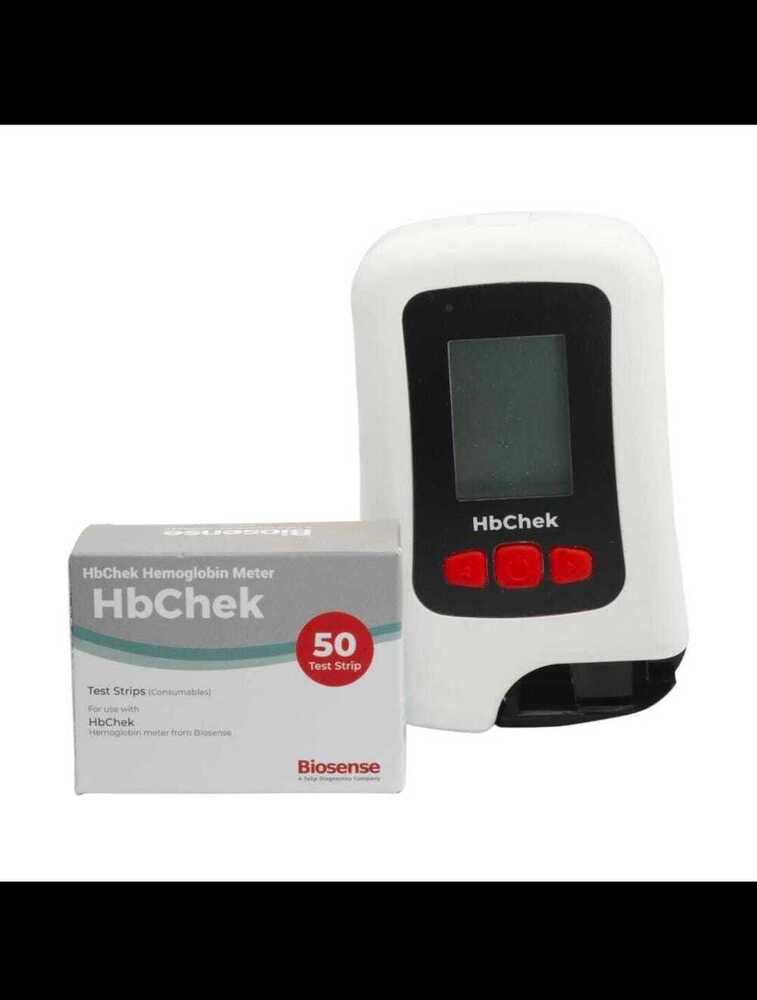
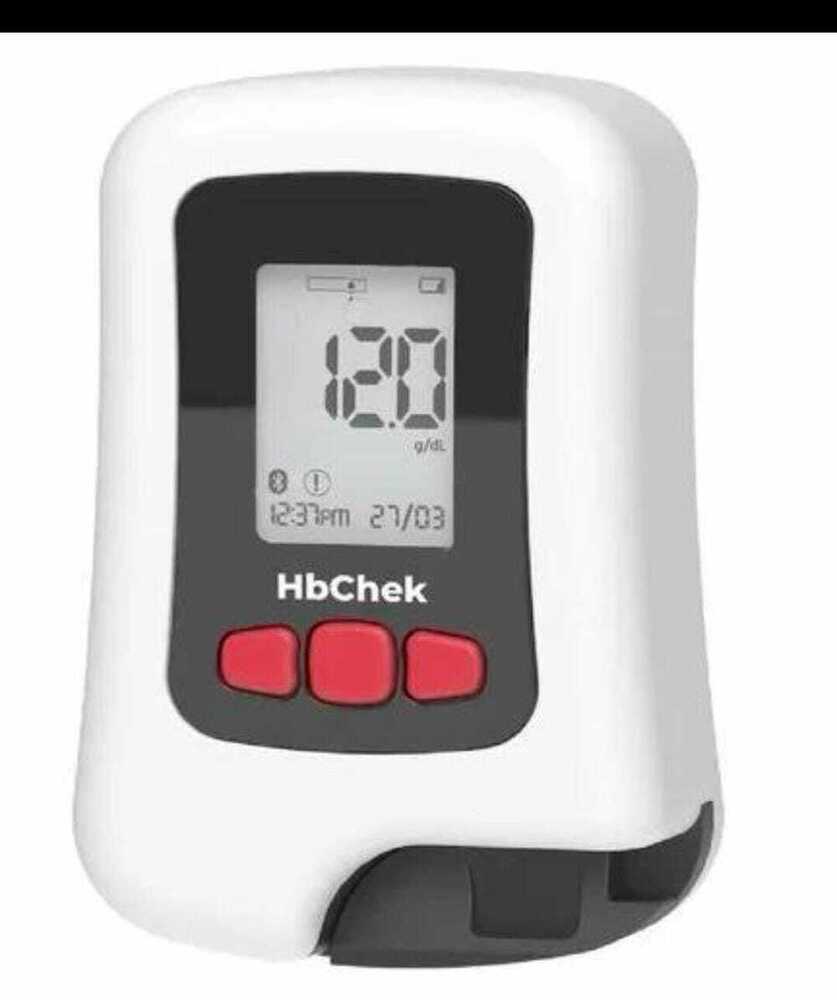
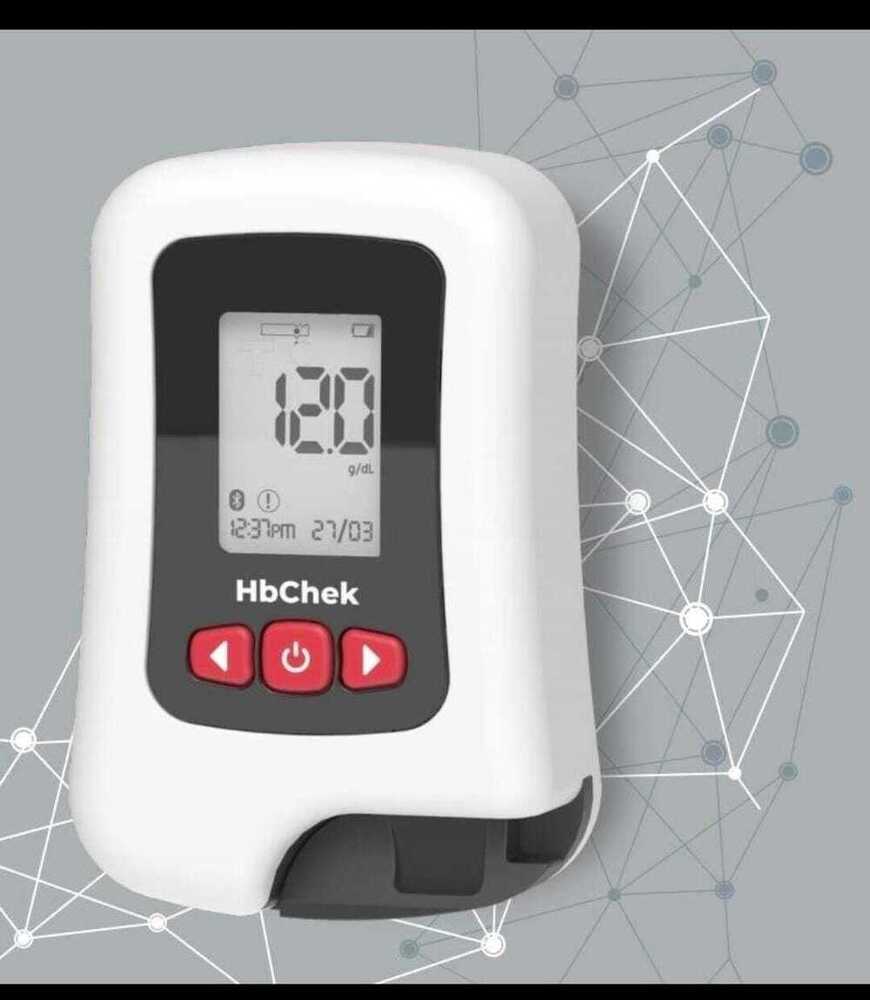
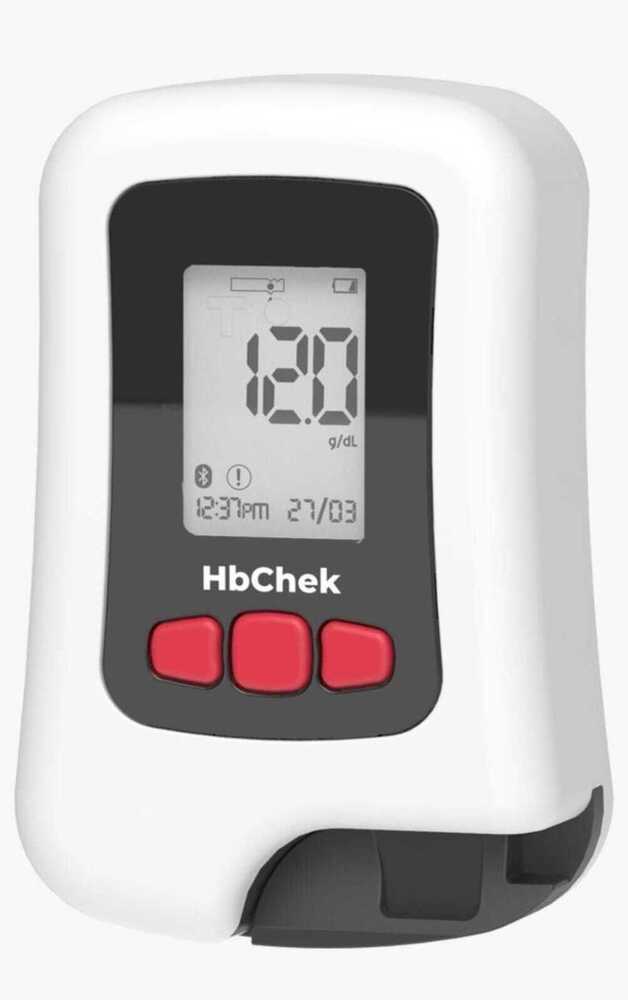
While the physical analyzer unit retains the same design and core functionality across setups, it is categorized in the market by its connectivity capabilities and intended usage packages.
1. Standard Handheld POC Meter: The base standalone version widely used in remote field settings, mobile health camps, clinical laboratories, and blood donation centers for screening anemia.
2. Bluetooth BLE Integrated Smart Variant: Outfitted with an active Bluetooth chipset that syncs directly with clinical records management software or telehealth tracking applications.
3. Dedicated Consumable Components:
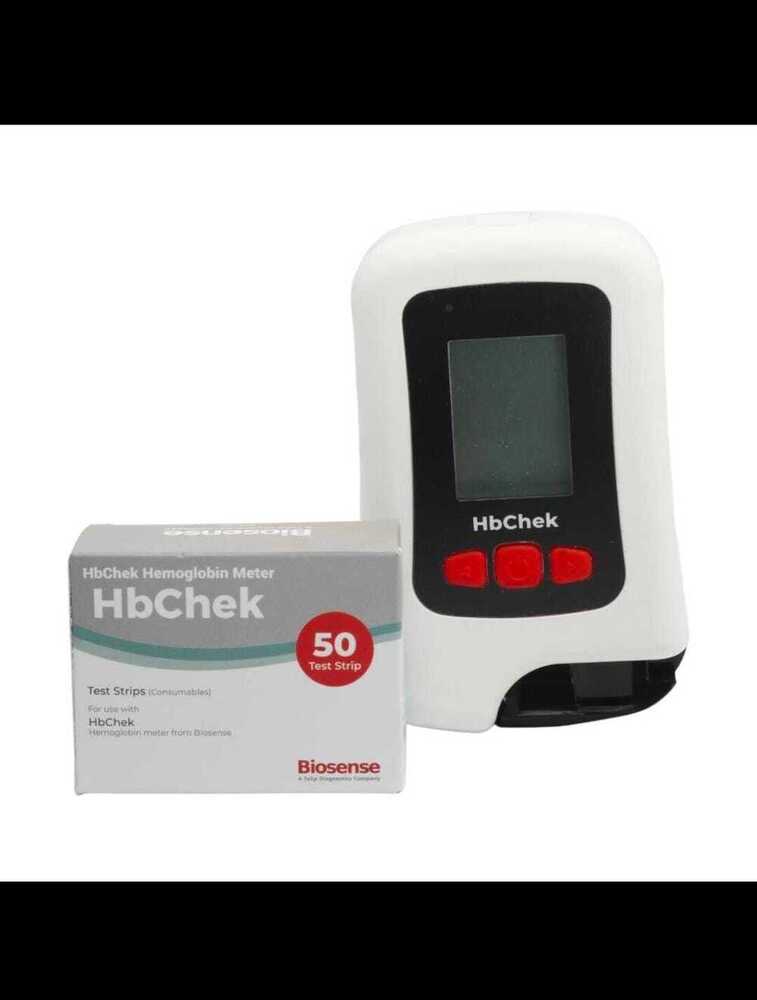
A1Chek HbChek Test Strips: Single use microfluidic PMMA strip kits, typically sold in 50 test vials, that draw blood via capillary action.
HbChek Control Sets: 2 level lyophilized quality control sets utilized by labs to double check analyzer accuracy over time.
The device uses microfluidic absorbance spectrophotometry to deliver point of care hemoglobin readings.
Test Principle: Transmittance and Absorbance Spectrophotometry using two wavelengths of light
Measuring Range: 0 to 25 g per dL
Reading Time: 5 seconds
Sample Type: Fresh capillary or venous whole blood
Sample Volume: Approximately 8 microliters, a single small drop
Precision: CV less than 3 percent
Calibration: Factory calibrated, no manual field calibration needed
Memory Capacity: Stores up to 1000 test results
Connectivity: Smart Bluetooth BLE for data syncing via mobile apps
Power Source: 3 AAA alkaline batteries or an inbuilt rechargeable lithium ion battery, 3.7 V, 1000 mAh
Weight and Form Factor: Handheld portable device weighing roughly 250 to 300 grams

Price:
GST : 27AAOCM8880D1ZY


 Send Inquiry


 Send Inquiry
